Some lawns stop cooperating. The front yard browns every August, nothing will grow under the big shade tree, and the backyard is worn to dirt by July. Yards like that are where artificial grass lawns make the most sense, and front or back, they are work Plano Turf Co. takes on across Plano.
A full lawn is the biggest kind of turf job, and the one where the ground work shows most. On heavy clay, the base underneath decides whether the lawn stays flat and drains after a storm.
The free quote comes after a visit, once the yard is measured and its slope checked. If you already have samples or an answer from your HOA, have them handy.
Thinking about a smaller area for the dog, or a green? See pet turf and backyard putting greens. Older turf that is giving trouble belongs on the turf repair page.
Call 972-843-9703 or send the form.
Free quote. No obligation.
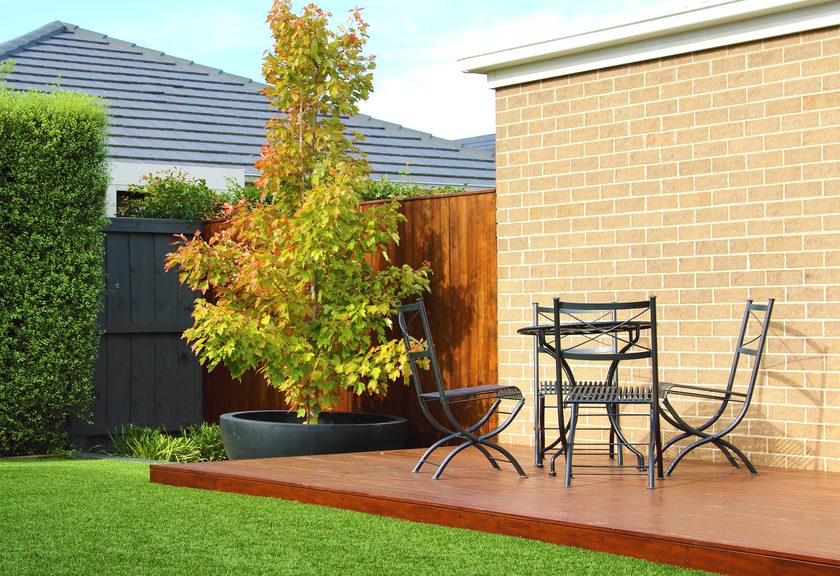
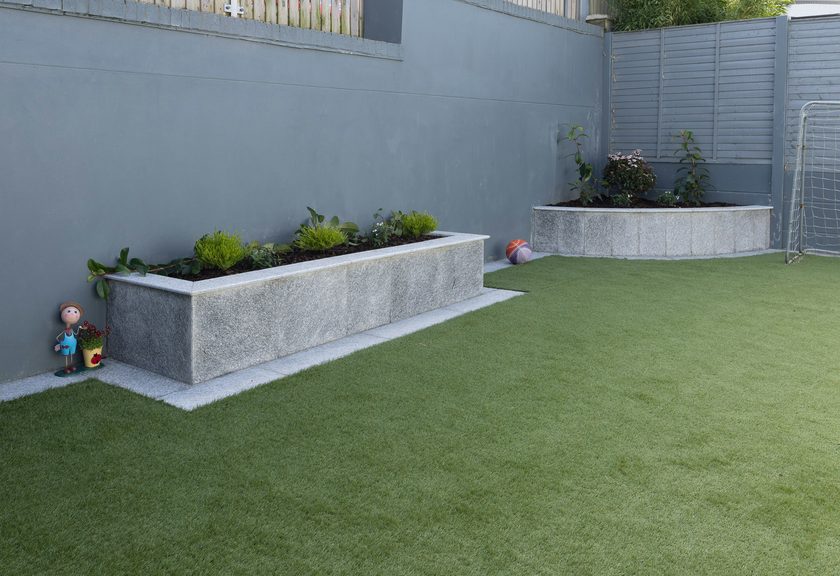
A full turf lawn tends to make sense in yards like these:
Turf is not for every yard. If you enjoy working on a lawn, or want grass that feels soft and cool underfoot on a July afternoon, a living lawn may suit you better. A living lawn also keeps roots in the soil and returns its clippings to it, which turf does not, and nearby trees will drop their leaves on turf all the same.
The sod comes out with its roots and a layer of soil below. The clay underneath is then shaped and packed, since any soft spot left now turns into a dip later. Near trees, digging and packing a base inside the root zone can harm the tree, so ask how the base will be handled close to the trunk.
Layers of crushed aggregate go down next, each wetted and compacted. The finished grade sends rainwater away from the house and toward the street, a drain or a part of the yard that can take it. This is when low spots get fixed.
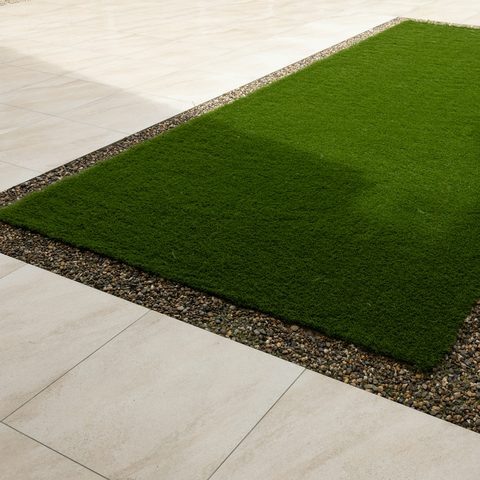
Lawn turf comes in a range of blade heights, colors and densities. Many products mix a brown thatch layer in among the green blades so the lawn reads as real grass. Look at samples in sun and in shade, because the color shifts between the two. In a front yard beside the neighbors’ grass, match their shade as well as you can.
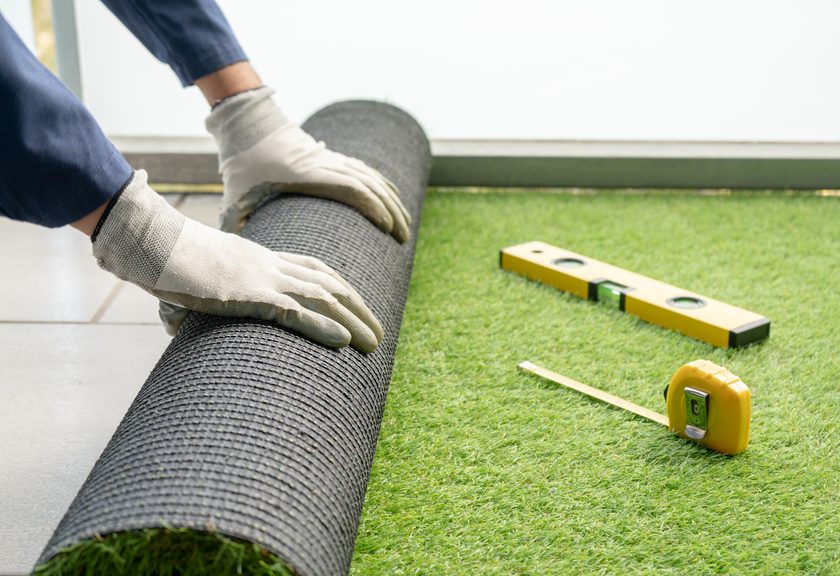
Pieces are laid with the grain running one way, joined with tape and adhesive, and trimmed to the edging. Infill is brushed in last. A well-placed seam is hard to spot, while a piece laid against the grain shows from the curb.
Artificial grass lawns ask for much less upkeep than living ones, but not nothing. The routine looks like this:
Every so often, a deeper cleaning with a power brush and fresh infill helps an older lawn look even again.
In a yard with big trees, fall is the busiest season for upkeep, because leaves keep coming down for weeks. Spring brings pollen and the first storms, and a rinse and a brushing after those keeps the color clean.
Lawns vary in price more than any other turf job, because they vary so much in size and shape. We price yours after seeing it, and the quote is free. The main factors:
Call 972-843-9703 to set up a visit and get a number for your lawn.


Color and blade height decide most of that. Turf with a mix of green shades and some brown thatch blends in next to living grass better than a single bright green does. Look at samples outdoors, near the street, in both sun and shade.
In most cases, yes. The base is shaped to the slope and the turf follows it. Steeper banks need more care at the edges, so the base and infill don’t wash downhill in a heavy rain.
Set both on the ground where the lawn will go and look from the street and from the back door at different times of day. Run a hand across each and step on them. Thatch color, blade shape and how the fibers spring back are the differences you will notice later.
Yes. Beds are left out of the layout and edged so soil and turf stay apart. Those beds then need water from drip lines or a hose, so check the city’s current watering guidelines for how drip and hand watering are handled.
Want your lawn measured? Call 972-843-9703 or use the form.
The home page walks through a full install step by step, and our number is on the contact page.